
 Deutsch
Myopia
Nearsightedness can be treated in medically suitable eyes.

A medically reviewed guide to SMILE Pro, FemtoLASIK and other laser vision correction procedures.
Free info kit

Laser eye surgery changes the shape of the cornea so that light can be focused more accurately on the retina. The aim is to reduce dependence on glasses or contact lenses.

Laser eye surgery, also known as laser vision correction or refractive laser surgery, is used to correct certain refractive errors by changing the shape and refractive power of the cornea.
In an eye without a refractive error, incoming light is focused on the retina. If the eye is too long, too short or the cornea has an irregular curvature, the focal point lies in front of, behind or unevenly across the retina. This causes blurred vision.
Laser treatment reshapes the cornea according to an individually calculated treatment plan. Depending on the procedure, this is achieved by removing a precisely defined lenticule from within the cornea or by reshaping corneal tissue with an excimer laser.
The treatment does not prevent every future age-related change in the eye. Its purpose is to correct the refractive error present at the time of surgery.
More information: Refractive errors: symptoms, causes and treatment.
Depending on the individual findings and the selected procedure, laser eye surgery may be considered for:
Nearsightedness can be treated in medically suitable eyes.
Farsightedness may be treated depending on the prescription, age and individual eye anatomy.
Astigmatism may be treated alone or together with myopia or hyperopia, depending on the individual findings.
Age-related near-vision loss may be treated in selected patients with an appropriate treatment concept.
The prescription alone is not enough to decide whether treatment is possible. Corneal thickness and shape, pupil characteristics, tear-film quality, ocular-surface health and the condition of the lens and retina must also be assessed.
Different procedures use different ways of accessing and reshaping the cornea. They should not be regarded as interchangeable products. The safest and most appropriate choice is based on the individual eye.
| Procedure | How it works | Important characteristics | Role at LASIKWELT |
|---|---|---|---|
| SMILE Pro | A femtosecond laser creates a precisely calculated lenticule inside the cornea. It is removed through a small incision. | Flapless, minimally invasive access; very short laser time; no flap-related complications. Because fewer corneal nerves are affected than with LASIK, early dry-eye symptoms may be less pronounced in suitable patients. | The method most frequently used for suitable eyes. |
| FemtoLASIK | A femtosecond laser creates a thin corneal flap. An excimer laser then reshapes the underlying tissue. | Established, precise and versatile; rapid visual rehabilitation; involves a corneal flap. | An important modern alternative when the individual findings favour a flap-based procedure. |
| Traditional blade-assisted LASIK | A mechanical microkeratome creates the flap before excimer-laser correction. | Earlier generation of LASIK; flap creation is mechanical rather than laser-based. | Not part of our routine modern treatment strategy. |
| PRK / surface laser treatment | The corneal epithelium is removed and the underlying surface is reshaped with an excimer laser. | No flap, but slower epithelial healing, more postoperative discomfort and a longer period of visual recovery. | Reserved for carefully selected exceptional cases; its present field of application is very limited compared with SMILE Pro and FemtoLASIK. |
| PRESBYOND Laser Blended Vision | An individually planned blended-vision profile extends the range of vision between the two eyes. | Designed for selected patients with presbyopia; usually based on a FemtoLASIK approach. | Considered only after testing suitability and tolerance for the intended visual concept. |
At LASIKWELT, the current distribution of treatments reflects the shift towards modern, minimally invasive procedures: more than four out of five treated eyes receive SMILE, fewer than one in five receive FemtoLASIK, and surface laser procedures account for less than one per cent. These are clinic-specific treatment patterns, not proof that one method is suitable for every patient.
There is no single laser procedure that is automatically best for every eye. However, modern methods differ in invasiveness, recovery and procedure-specific risks.
For many suitable patients, SMILE Pro offers important advantages because it does not require a conventional corneal flap. This eliminates flap-related complications and involves less disruption of the corneal nerves than LASIK. Research suggests that postoperative dry-eye symptoms may therefore be less frequent or less pronounced, particularly during the early healing period. Dryness can nevertheless also occur after SMILE Pro.
FemtoLASIK remains a modern, well-established and highly precise procedure. Its excimer-laser platform offers treatment flexibility that may be useful for particular refractive errors, corneal findings or customised treatment plans.
PRK and related surface procedures remain recognised medical techniques, but their use at LASIKWELT is restricted to selected exceptions because healing is slower and postoperative discomfort is usually greater. The procedure chosen should always follow detailed diagnostics rather than a general ranking of methods.
For a direct comparison, see SMILE Pro or LASIK: What is the difference?
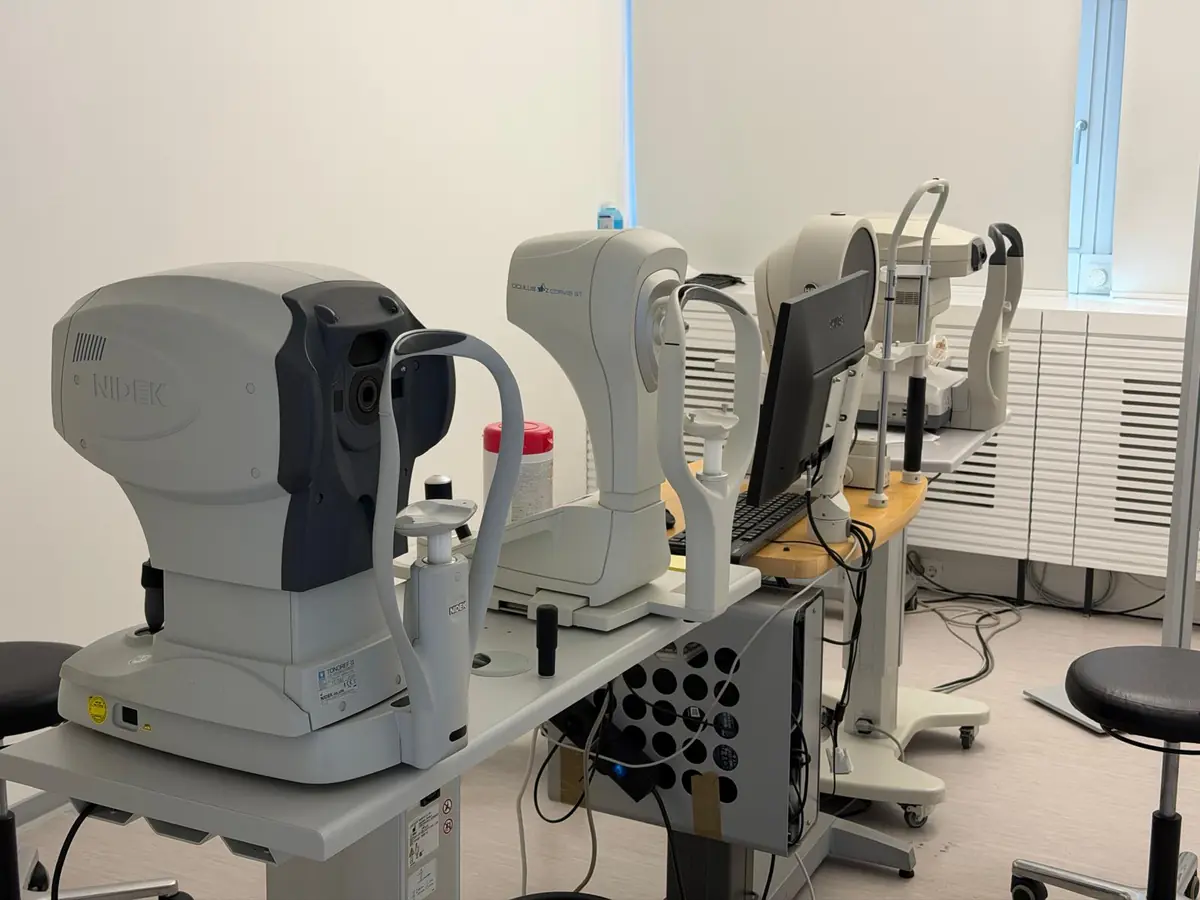
The most important step takes place before the operation. The examination may include:
These findings determine whether laser treatment is medically appropriate and which method offers the most suitable risk–benefit profile.
Read more about the examination before laser eye surgery.
The laser parameters and treatment strategy are planned for the individual eye. Prescription, corneal anatomy, age, lifestyle, occupation and visual expectations all need to be considered.
The newest device alone does not guarantee a good result. Safe treatment depends on the combination of reliable diagnostics, appropriate patient selection, modern and regularly maintained technology, correct surgical planning and the experience of the operating ophthalmologist.
More information: Modern eye-laser technology at LASIKWELT.
Laser eye surgery is normally performed as an outpatient treatment. Anaesthetic eye drops are used, and an eyelid holder keeps the eye open. The patient looks towards a target light while the laser performs the planned treatment.
The exact sequence depends on the method. SMILE Pro creates and removes a lenticule through a small incision. FemtoLASIK combines a femtosecond-laser flap with excimer-laser reshaping. Surface treatment removes the epithelium before excimer-laser correction.
The laser phase is brief, although preparation and the complete treatment appointment take longer than the laser phase alone.
What to expect: The day of laser eye surgery.
Vision may be blurred or fluctuate immediately after treatment. Burning, tearing, light sensitivity or a foreign-body sensation can occur during the first hours or days. The type and duration of symptoms depend partly on the procedure and individual healing response.
Prescribed eye drops must be used exactly as instructed, and all postoperative appointments should be attended. The surgeon will advise when it is safe to drive, work, exercise, swim or use eye make-up.
After laser eye treatment: dos and don’ts
Laser eye surgery aftercare
Suitability cannot be determined from age or prescription alone. A comprehensive examination by an experienced ophthalmologist is required.
The cornea should not show signs of progressive ectatic disease such as keratoconus. Topography and tomography are used to evaluate its shape and stability.
Each procedure has specific safety limits. Corneal thickness must be assessed together with the planned correction, the treatment zone and the amount of tissue that will remain afterwards. A single thickness value does not determine suitability on its own.
Treatment ranges differ between SMILE, FemtoLASIK and surface procedures. Very high prescriptions or particular anatomical findings may make an implantable lens or another form of refractive surgery more appropriate.
The refractive error should normally have remained sufficiently stable before surgery. Continuing changes increase the risk that glasses may be needed again after treatment.
Laser vision correction is generally considered from the age of 18, provided that the prescription and eye development are stable. There is no universal maximum age, but the natural lens becomes increasingly important when presbyopia or cataract develops.
Existing dry eye, eyelid inflammation or other ocular-surface problems should be identified and treated before surgery where appropriate. A stable tear film is important for reliable measurements, treatment planning and postoperative comfort.
Active eye inflammation, uncontrolled glaucoma, visually significant cataract and certain retinal or corneal diseases may rule out or postpone treatment. Autoimmune disease, diabetes, impaired wound healing and relevant medication require individual medical assessment rather than an automatic yes-or-no decision.
Hormonal changes can temporarily affect the cornea, tear film and prescription. Treatment should therefore be postponed until pregnancy and breastfeeding have ended and the refraction has stabilised.
The aim is to reduce dependence on glasses or contact lenses, but perfect unaided vision cannot be guaranteed. Reading glasses may still become necessary with age, and some patients may need glasses for particular situations or a later enhancement if medically appropriate.
Laser treatment may be unsuitable or need to be postponed in the presence of:
An unsuitable result for one procedure does not necessarily mean that no vision-correction option exists. Another laser technique, an implantable lens or continued use of glasses or contact lenses may provide a safer alternative.

Complications cannot be prevented by the procedure name alone. Safety begins with recognising unsuitable eyes and selecting the correct treatment for those that are suitable.
Modern diagnostic systems provide detailed information about corneal shape, thickness, ocular-surface quality and other anatomical parameters. Current laser platforms support precise treatment delivery, eye tracking, centration and digitally assisted workflows. Regular maintenance, calibration and quality control are essential because even advanced equipment must perform consistently.
The surgeon’s experience is equally important. An experienced refractive ophthalmologist must interpret the measurements, identify borderline findings, choose the appropriate procedure and respond correctly if the treatment or healing process differs from the expected course.
The best conditions for reducing avoidable risks arise from the combination of:
The procedure itself is performed with anaesthetic eye drops. Patients may notice pressure, touch or brightness, but significant pain during the laser treatment is not normally expected.
Recovery differs between methods:
| Procedure | Typical early experience | Visual recovery |
|---|---|---|
| SMILE Pro | Temporary irritation, tearing or foreign-body sensation may occur. | Often rapid, although vision can fluctuate while healing continues. |
| FemtoLASIK | Burning, watering or light sensitivity may occur during the first hours. | Often rapid, with further stabilisation over the following days and weeks. |
| PRK / surface treatment | Discomfort or pain is generally more pronounced while the epithelium heals. | Slower; useful vision and final stabilisation usually take longer. |
Individual recovery varies. The treating ophthalmologist’s instructions take precedence over general time estimates.
Laser eye surgery is an established form of refractive surgery, but it is not risk-free. Possible temporary effects include:
Less common complications can include infection, inflammation, corneal irregularity or weakening, persistent visual symptoms and the need for further treatment. Flap-related complications apply specifically to LASIK and FemtoLASIK because SMILE Pro does not create a conventional corneal flap. Surface procedures additionally involve epithelial healing and the possibility of corneal haze.
Many temporary side effects can be managed with appropriate medication, lubricating eye drops and careful follow-up. Some complications can also be treated successfully when they are recognised early. Nevertheless, it would be medically incorrect to imply that every complication is easily reversible. Prompt assessment is important if pain, redness or vision worsens unexpectedly.
Detailed information: Laser eye surgery risks, side effects and complications.
The corneal change produced by laser treatment is intended to be permanent. However, the eyes continue to age naturally. Presbyopia, cataract or later changes in the prescription can affect vision even after a technically successful operation.
Some patients may require glasses for particular tasks or a later enhancement. Whether retreatment is possible depends on corneal anatomy, the previous procedure, the current refractive error and the overall health of the eye.
Read more about laser eye surgery results and LASIK enhancement or touch-up treatment.
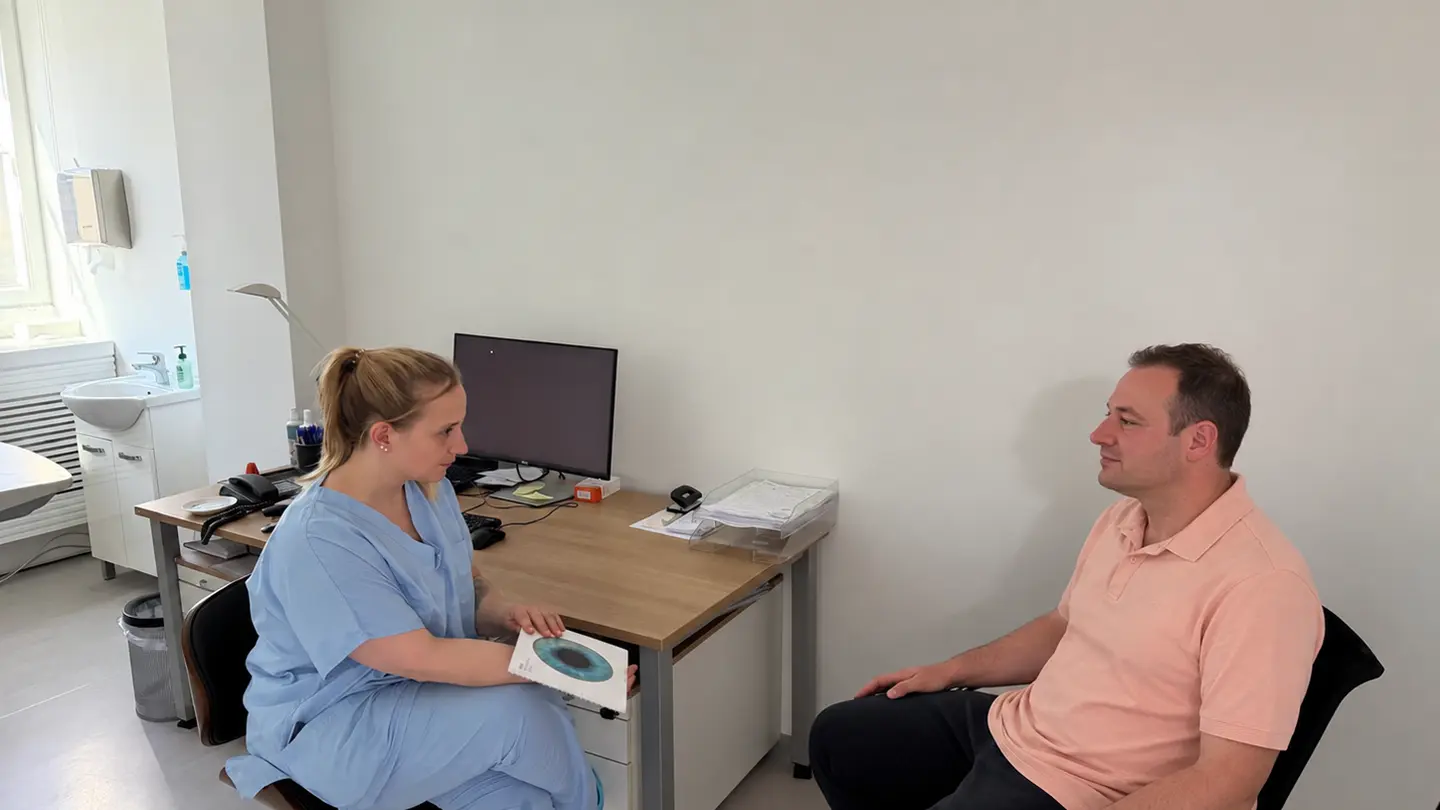
The cost depends on the selected procedure, diagnostic requirements, technology used and the services included in treatment and aftercare. A medically appropriate method should not be selected on price alone.
At LASIKWELT, prices are presented transparently per eye. The current overview and the details of included examinations, aftercare, financing and treatment guarantees are available on the dedicated laser eye surgery cost page.
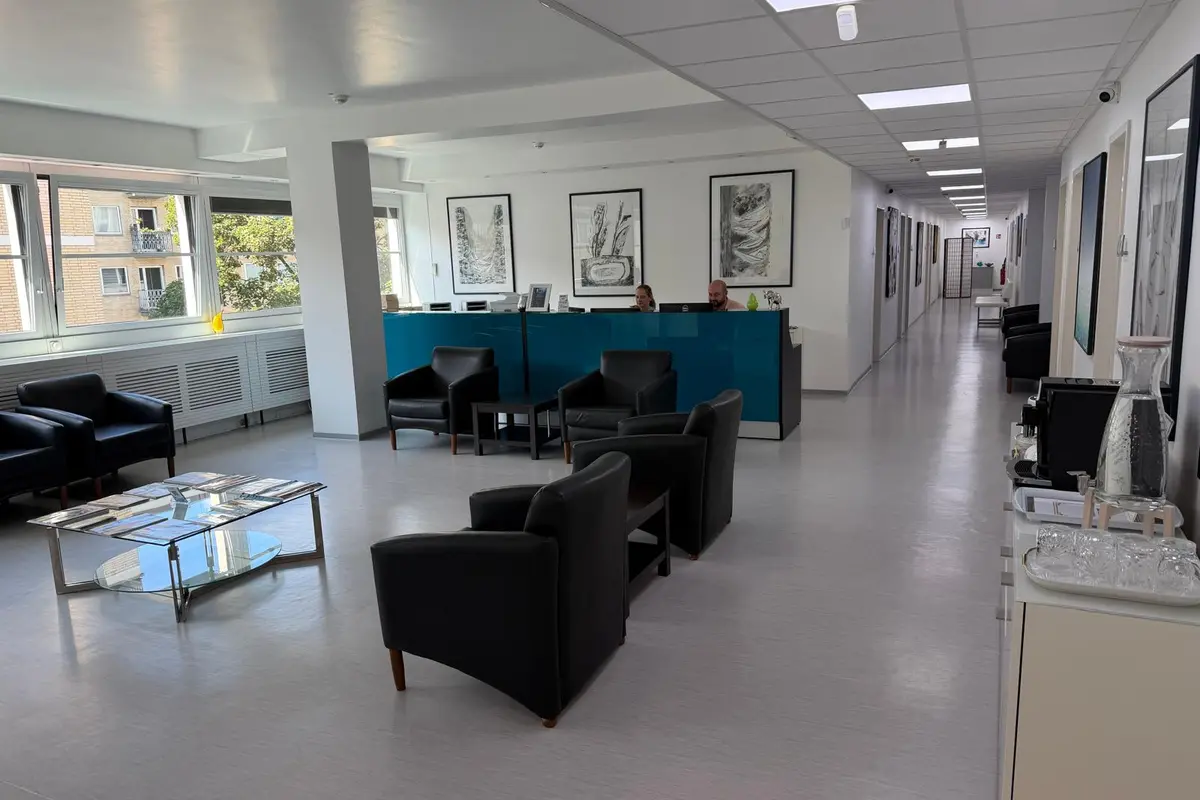
At LASIKWELT, the objective is not to recommend the same procedure to every patient. Treatment planning begins with comprehensive diagnostics and an individual assessment by an experienced refractive ophthalmologist.
Our treatment concept combines:
SMILE Pro is performed with the ZEISS VISUMAX 800. FemtoLASIK is available when the individual findings favour an excimer-laser and flap-based approach. PRK is reserved for medically selected exceptional cases rather than promoted as a routine alternative to modern procedures.
SMILE Pro represents one of the most advanced generations of corneal laser vision correction. It is flapless and uses the ZEISS VISUMAX 800 platform. Nevertheless, FemtoLASIK may be more appropriate for some eyes, so the decision must follow comprehensive diagnostics.
Both eyes are commonly treated during the same appointment when this is medically appropriate. The surgeon makes the final decision based on the examination and treatment plan.
The laser treatment itself takes only a short time. Preparation, verification of measurements and treatment of both eyes mean that the complete appointment takes longer than the laser phase alone.
Many patients return to routine activities relatively quickly after SMILE Pro or FemtoLASIK. The exact timing depends on the procedure, individual recovery and the type of work. PRK usually requires a longer recovery period.
Yes. Dryness is possible after every corneal laser procedure. Because SMILE does not require a flap and affects fewer corneal nerves than LASIK, studies suggest that early postoperative dry-eye symptoms may be less pronounced. Pre-existing ocular-surface problems should still be diagnosed and treated before surgery.
No operation is completely risk-free. Careful patient selection, modern technology, an experienced surgeon and consistent aftercare can reduce avoidable risks but cannot eliminate every possible complication.
Many patients achieve substantial freedom from glasses or contact lenses, but this cannot be guaranteed for every distance and every stage of life. Natural ageing, especially presbyopia and cataract, continues after treatment.
To discuss whether laser vision correction may be suitable for your eyes, contact LASIKWELT for a non-binding consultation or complete our free Quick Check.
Medically reviewed by Dr Susanne Oener, ophthalmologist and refractive surgeon.


