
 Deutsch
Astigmatism: Symptoms, Causes, and Treatment
Free info kit
Free quick check


Free info kit
Astigmatism is a common vision condition caused by an irregular shape of the cornea or lens. This irregular shape prevents light from being properly focused on the retina, leading to blurred or distorted vision at all distances.
 To understand astigmatism, it helps to picture a normal eye as being perfectly round, like a basketball. In contrast, an eye with astigmatism is more oval-shaped, resembling a North American football.
There are two main forms of astigmatism:
Astigmatism can occur by itself or alongside other vision issues such as myopia (nearsightedness) or hyperopia (farsightedness). It can be congenital or develop over time due to eye injuries, surgeries, or diseases like keratoconus.
Astigmatism is usually corrected using glasses with cylindrical lenses, toric contact lenses, or surgical procedures like laser eye surgery that reshape the cornea and enhance vision. Regular eye examinations are important to diagnose astigmatism and determine the best treatment method.
Here are the degrees of astigmatism:
Mild Astigmatism: < 1.00 diopters
Moderate Astigmatism: 1.00 to 2.00 diopters
Severe Astigmatism: 2.00 to 3.00 diopters
Extreme Astigmatism: > 3.00 diopters
Astigmatism, also known as corneal curvature, is a common vision disorder caused by an irregular shape of the cornea or, in some cases, a curvature of the lens in the eye. The following are the causes of astigmatism:
It is important to note that astigmatism often occurs along with other refractive errors such as nearsightedness or farsightedness. An eye examination can identify astigmatism and recommend appropriate corrective measures such as glasses, contact lenses, or surgical procedures.

The symptoms of astigmatism become more pronounced when the curvature is severe. Mild astigmatism is quite common and often goes unnoticed as it has minimal effects. Severe curvatures can lead to blurred vision at both near and far distances, as well as headaches and eye pain. In children, untreated astigmatism can lead to permanent vision impairments.
Astigmatism is classified into two main types: regular and irregular. Regular astigmatism, where the cornea’s curvature follows a specific pattern, is the most common and can usually be corrected with glasses or contact lenses. Irregular astigmatism is more complex, as the cornea is shaped differently at various points, making correction more difficult.
The symptoms of astigmatism include:
Eye doctors use advanced tools to detect astigmatism during a thorough eye exam.
The phoropter, used during an eye exam, helps the doctor determine whether glasses or contact lenses are necessary. A phoropter helps your eye doctor determine your prescription for glasses or contact lenses.
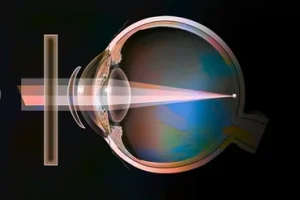 Astigmatism can be corrected in various ways, including:
For the correction of astigmatism, cylindrical lenses are used. These special lenses have different refractive powers in different meridians, compensating for the uneven curvature of the cornea or lens.
Cylindrical lenses focus light accurately on the retina, providing a sharp, clear image. This correction significantly improves vision quality and enables affected individuals to perceive their surroundings more precisely.
Contact lenses can be an effective solution for people with astigmatism. Special toric contact lenses are designed to compensate for the uneven curvature of the cornea and thus enable sharp vision. Unlike conventional spherical contact lenses, toric lenses have two different strengths, one for correcting nearsightedness or farsightedness and another for astigmatism.
Laser eye surgeries are an effective method for correcting astigmatism. Using specialized laser technologies, the irregular curvature of the cornea can be corrected to enable sharp vision. Here are the common procedures for the laser treatment of astigmatism:
Types of Laser Eye Treatment for Astigmatism:
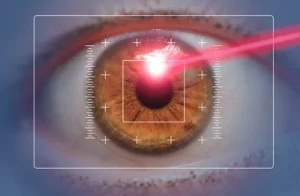
It is important to note that not everyone is suitable for laser treatment. A comprehensive examination by an eye doctor or ophthalmic surgeon is necessary to determine if laser eye surgery is the right choice and which procedure would be best. The doctor will evaluate the individual characteristics of the eye, the extent of the astigmatism, and overall eye health to provide a tailored treatment recommendation.
The cost of laser surgery to correct astigmatism can vary based on a range of factors. In Germany, the average costs for laser eye surgery to correct astigmatism typically range between 1,250 and 2,500 euros per eye. Several key factors affect this price range.
Firstly, the choice of clinic plays a significant role. Clinics that utilize cutting-edge technology and employ highly skilled professionals typically charge higher prices. The experience and expertise of the surgeon are also crucial. Surgeons with extensive experience and a high success rate typically charge higher fees, which often lead to better treatment outcomes and higher patient satisfaction.
The technology used is another important cost factor. More advanced laser techniques provide more accurate and safer results, but they are also more expensive. The type of laser used and the technique applied can also influence the overall costs.
Another significant aspect is pre- and post-operative care. Detailed examinations and consultations are required before the actual surgery to ensure the patient is a suitable candidate for the procedure. These pre-surgery examinations and comprehensive post-operative care, including regular follow-up visits and potential touch-ups, can increase the total costs.
It is advisable to consult various clinics and thoroughly compare their offers. A comprehensive consultation with the surgeon is essential to find the best and most cost-effective option. When choosing a procedure, it is important to consider both the cost and the quality of care, along with the expertise of the medical team, to ensure the best outcome.
Choosing the appropriate astigmatism correction method, often related to corneal curvature, involves careful consideration of multiple factors:

The decision on the appropriate method should always be made in consultation with an eye doctor who considers the patient’s individual needs and circumstances.
Although astigmatism usually cannot be prevented, regular eye examinations are crucial for early detection of vision changes and timely treatment. Regular check-ups with an eye specialist can help monitor eye health and detect any abnormalities that may develop over time. Early detection is especially important in children, as it allows for prompt intervention that can prevent vision problems from impacting their learning and development. Vision issues in children can lead to difficulties in reading, writing, and other educational activities, so ensuring that they receive appropriate eye care from a young age is essential.
Managing astigmatism involves a combination of corrective measures and lifestyle adjustments. For many people, wearing prescribed glasses or contact lenses can greatly enhance vision and reduce symptoms like eye strain and headaches. It’s important to follow the recommendations of an eye care professional regarding the use of these vision aids to ensure optimal results.
In addition to using corrective lenses, certain lifestyle adjustments can help manage astigmatism symptoms. Maintaining good lighting conditions while reading or working can reduce eye strain. Taking regular breaks during tasks that require prolonged focus can also alleviate discomfort. For those who spend a lot of time on digital devices, using screen filters and practicing the 20-20-20 rule—taking a 20-second break every 20 minutes to look at something 20 feet (6 meter) away—can be beneficial.
For individuals considering long-term solutions, surgical options like laser eye surgery may be appropriate. Procedures such as LASIK, PRK, or SMILE can reshape the cornea to address the irregular curvature that causes astigmatism. However, it’s essential to consult with an eye surgeon to determine if you are a suitable candidate for surgery and to understand the potential risks and benefits.
Overall, while astigmatism cannot be entirely prevented, proactive eye care and regular monitoring can help manage the condition effectively. By staying vigilant about eye health and seeking timely treatment, individuals with astigmatism can maintain clear vision and a good quality of life.
Corneal curvature is not a cause for concern but requires attention and proper correction. With modern vision aids and treatment methods, most people with astigmatism can achieve clear and sharp vision. If you notice signs of astigmatism, book an appointment with your eye doctor to discuss suitable treatment options.

Selecting a cost-effective option is important when considering laser eye treatment for astigmatism. At Lasikwelt Laser Center, we offer not only very attractive prices but also versatile financing options for your treatment. We recognize that financial considerations are important for our patients, which is why we are dedicated to providing top-quality vision improvement at an affordable price. Thanks to our customizable financing models, you can flexibly and appropriately manage the costs of your treatment to fit your financial situation.
Lasikwelt Laser Eye Center Cologne


