
 Deutsch
Myopia (Nearsightedness) – Symptoms, Causes, and Treatment
Nearsightedness (Myopia) is a common vision disorder in which nearby objects appear clear, but distant objects appear blurry.
Free info kit
Free quick check


Nearsightedness (Myopia) is a common vision disorder in which nearby objects appear clear, but distant objects appear blurry.
Free info kit
Your interest in the topic of nearsightedness, medically known as myopia, is understandable, as this vision disorder is widespread. In myopia, the focus of incoming light falls in front of the retina, causing distant objects to appear blurry. The causes of nearsightedness can be varied, including genetic predispositions or environmental influences like intensive close work. To improve visual quality, wearing glasses with appropriately crafted lenses is a common solution. These correct the light path, resulting in a sharp image on the retina. It is important to have regular eye examinations to determine the appropriate vision aid and maintain eye health.
 Nearsightedness, also known as myopia, is a common vision disorder where people can see nearby objects clearly, while distant objects appear blurry. This condition arises when the eye is too long or the cornea, the clear front surface of the eye, is too curved. As a result, the light entering the eye is not correctly focused on the retina but instead in front of it. The retina is the light-sensitive layer at the back of the eye responsible for converting incoming light into nerve signals, which are then transmitted to the brain.
Nearsightedness is a form of refractive error that affects the quality of distance vision and is often influenced by genetic factors, although environmental factors such as intensive close work can also play a role. People with myopia often struggle to recognize road signs, watch TV or screens from a regular distance, or see faces clearly from afar.
The Severity Levels of Nearsightedness:
The causes of myopia are varied, involving both genetic and environmental factors. The primary cause of myopia is a mismatch between the eye’s refractive power and its axial length, causing images to be focused in front of the retina instead of directly on it.
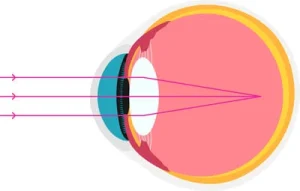
Here are some of the well-known causes and risk factors:
To diagnose nearsightedness and provide appropriate correction recommendations, eye doctors conduct comprehensive eye examinations that include vision tests, eye health checks, and measurements of the eyes. The insights into the causes of myopia have also led to the development of prevention strategies, such as encouraging more outdoor time for children to reduce the risk of developing myopia.

The symptoms of nearsightedness (myopia) can vary in severity depending on the extent of the condition. The most common symptoms include:
If you experience these symptoms, it’s important to see an optometrist or eye doctor. They can make an accurate diagnosis and prescribe appropriate vision aids such as glasses, contact lenses, or eye laser treatments to correct vision.
Myopia is usually diagnosed through a comprehensive eye exam performed by an eye care professional. During this examination, various tests and procedures are used to assess the extent of nearsightedness and the overall condition of the eyes.
Here are some of the main components of the diagnosis:

Based on the results of these tests, the eye doctor or optometrist can determine the presence and extent of nearsightedness and recommend appropriate corrections, such as glasses or contact lenses. In some cases, surgical correction, such as LASIK, may also be considered.
 When it comes to nearsightedness (myopia), there are several treatment options aimed at improving distance vision. The choice of treatment depends on various factors, including the degree of myopia, the individual’s lifestyle, and personal preferences. Here are the most common treatment methods:
Description: The simplest and most common method for correcting nearsightedness.
Function: Eyeglass lenses correct the refractive error by bending the light so that it focuses correctly on the retina.
To correct this refractive error, minus diopter lenses are used. Concave lenses help scatter light and reduce the image size, redirecting the focus onto the retina, which creates a clear image. Minus diopter lenses balance the eye’s refractive power, which is too strong in myopia. This enables individuals to see their surroundings clearly again, significantly improving their quality of life.
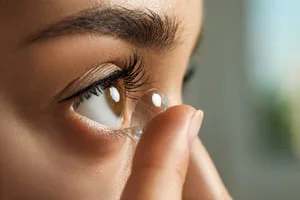
 For long-term solutions, laser eye treatments like Smile PRO, FemtoLASIK, LASEK, or PRK can be considered, where the cornea is reshaped with a laser.
Laser eye treatments are a common and effective way to correct myopia. Here are the most common types of laser treatments available for people with myopia:
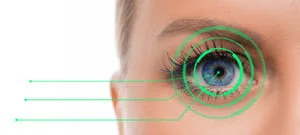
The cost of laser eye treatment to correct myopia can vary significantly depending on several factors. In Germany, the average cost of a laser eye surgery to correct myopia typically ranges between €1,250 and €2,500 per eye. Several factors influence the price range of vision correction procedures.
One of the main factors is the choice of clinic. Reputable clinics using modern technologies and having an experienced team often charge higher prices. The experience and qualifications of the surgeon are also crucial. Surgeons with extensive experience and high success rates may charge higher fees, which usually reflect better treatment outcomes and higher patient satisfaction.
The technology used plays another important role. More advanced laser technologies offering more precise and safer results are often more expensive. The type of laser and associated techniques can also impact the overall cost.
In addition to surgical techniques, pre- and post-operative care are significant cost factors. Thorough evaluations and consultations are crucial before surgery to confirm that the patient is a suitable candidate for the procedure. These pre-surgery exams and intensive post-surgery care, which includes regular follow-up examinations and potential touch-up treatments, can further increase the overall cost.
Individual needs and the specific health condition of the patient can also influence the cost. Some patients may need additional treatments or specialized procedures to get the desired results.
It’s advised to explore different clinics and carefully compare their offerings. A comprehensive consultation with the surgeon is essential to find the best and most cost-effective option. The cost, quality of treatment, and experience of the medical staff should be considered to ensure an optimal outcome.
 When choosing a treatment method for nearsightedness, several factors similar to those for farsightedness should be considered, but with their specific nuances:
Ultimately, the optimal method depends on a combination of these factors and should be discussed individually with an eye specialist.
To minimize the risk of developing nearsightedness, it is essential to pay attention to preventive measures. Regular eye examinations are crucial for early detection of myopia. Taking breaks from close-up tasks and using adequate lighting while reading can improve eye health. Spending time outdoors contributes to myopia prevention, as natural light positively affects eye development. It is also advisable to limit the use of digital devices and incorporate eye exercises to strengthen the eye muscles. A vitamin-rich diet supports overall eye health. Paying attention to these factors can help maintain long-term vision.
Proper vision aids are essential for managing myopia in everyday life. Glasses or contact lenses, individually adjusted by an eye doctor or optician, can significantly improve vision. Regular eye exams are important for detecting changes in vision and adjusting any vision correction aids as necessary.
Additionally, people with myopia should ensure good lighting to avoid straining their eyes. When focusing on close tasks for extended periods, such as reading or working on a computer, it is recommended to take regular breaks to rest the eyes. UV protection through sunglasses is also advisable to protect the eyes and reduce the risk of further vision problems.
Myopia, also known as nearsightedness, is a common vision disorder in children and adolescents, characterized by difficulty seeing distant objects clearly while near objects are seen clearly.
Nearsightedness occurs when the eye is too long or the cornea curves too much, causing images to focus in front of the retina rather than on it.
The increasing prevalence of myopia in this age group is concerning and is often associated with a combination of genetic factors and environmental influences, such as increased close work like reading and the use of digital devices, as well as a lack of daylight exposure. Preventive measures and treatment approaches are therefore crucial to slow the progression of myopia and minimize the associated risks for further eye diseases.
You should consult an eye doctor if you notice changes in your vision, such as deteriorating sharpness, blurred vision, or difficulty reading. Routine eye check-ups are important for managing known eye diseases like glaucoma or diabetic retinopathy. If you experience symptoms like eye pain, sensitivity to light, double vision, or sudden changes in vision, it’s crucial to consult a specialist as soon as possible. Preventive examinations are also important, especially if there are known eye diseases in your family or if you have high eye strain due to your profession. Early diagnosis and treatment can be crucial for maintaining long-term eye health.

Choosing an affordable price plays a crucial role in deciding for laser eye surgery to correct myopia. As Lasikwelt Laser Center, we offer not only very competitive prices but also flexible financing options for your treatment. We understand that cost is an important factor for our patients, and we are committed to providing high-quality vision corrections at a price accessible to everyone. With our customized financing options, you can easily distribute the cost of your treatment over a time frame that suits your budget.


