
 Deutsch
Presbyopia: Symptoms, Causes and Treatment
Presbyopia is the progressive decline in your eyes’ ability to focus on close-up objects. It’s a normal, though frequently frustrating, aspect of aging.
Free info kit
Free quick check


Presbyopia is the progressive decline in your eyes’ ability to focus on close-up objects. It’s a normal, though frequently frustrating, aspect of aging.
Free info kit
Presbyopia, also known as age-related farsightedness, is a natural change in vision that typically occurs in middle and older age. This visual impairment is characterized by a decreasing ability of the eyes to focus on nearby objects. This happens due to the gradual hardening of the eye’s lens, which reduces its ability to adjust its shape (accommodate). Additionally, the ciliary muscle, which is responsible for changing the lens shape, loses strength over time. These age-related changes lead to difficulties for individuals with presbyopia to see clearly during close-up tasks such as reading or handwork without appropriate visual aids.

Presbyopia occurs because the natural lens of the eye becomes stiff and cannot focus on the retina but rather behind it.
A healthy human eye typically has an optical power of around 40 diopters, allowing it to focus on objects at a distance of 1/40 meter. A typical young person’s eye can adjust an additional 20 diopters. By age 25, this focusing ability usually decreases to about 10 diopters. Due to the natural weakening of the eye muscles that focus your vision and the hardening of the eye lens, a human eye typically has only 1 diopter by age 45. This decreasing ability of the eye to properly focus its lens—known as presbyopia—leads to blurred near vision and necessitates corrective glasses.
Presbyopia, also known as age-related farsightedness, is a natural aging process that typically affects people in their 40s. The underlying causes are varied. A primary cause is the gradual hardening of the eye lens, leading to reduced flexibility. This makes it difficult for the lens to change its shape sufficiently to focus on nearby objects. Additionally, the ciliary muscle, responsible for adjusting the lens during focusing, weakens over time. Genetic factors can also play a role, as some individuals have a predisposition for earlier onset of presbyopia. Environmental factors and lifestyle choices, such as prolonged close work, may affect how quickly presbyopia progresses. However, presbyopia is a natural and inevitable process that affects everyone.

Presbyopia is a natural part of the aging process of the eyes, usually occurring in middle age. The main signs of this visual impairment include difficulty reading small print or seeing nearby objects, often requiring better lighting or holding reading material at a greater distance than usual. As the lens in the eye loses flexibility with age, its ability to focus on nearby objects decreases. This can lead to eye strain and headaches, especially after prolonged close-up work. Wearing bifocal glasses or contact lenses may be necessary to improve visual clarity and comfort for near tasks. Regular eye exams are recommended to monitor presbyopia and to get the right visual aids.
Presbyopia is a natural process of vision that typically occurs after the age of 40. Diagnosis usually involves an eye examination, where the strength of vision and the lens’s ability to accommodate are tested. Treatment options include visual aids such as reading glasses or multifocal contact lenses, which correct vision for different distances. Additionally, surgical procedures like laser correction or lens replacement can be considered to improve vision. Regular check-ups help ensure that vision correction is optimal, maintaining a high quality of life.
 Due to the progressive nature of presbyopia, you might need to increase the prescription strength of your reading glasses every one to two years. It’s also possible that your need for stronger or weaker lenses may fluctuate over time. For example, you might need a stronger lens to reduce blur while reading in the morning, compared to what you’d need later in the day. Or you may need a stronger diopter strength for detailed, close-up work compared to general leisure or office reading. Therefore, some experienced users of reading glasses have more than one pair, each with different diopter strengths.
Various options are available to improve vision and reduce dependency on reading glasses in the treatment of presbyopia. Choosing the right treatment depends on factors such as the level of presbyopia, the overall health of the eyes, and personal preferences.
Here are some common options:
Reading glasses are the simplest and most common solution for people with presbyopia. They are worn only when needed, such as when reading. Multifocal contact lenses offer another option by combining different vision zones in one lens to provide sharp vision both near and far.
In monovision, one eye is corrected for near vision and the other for distance vision, either with contact lenses or through surgical procedures. This method requires an adjustment period during which the brain learns to combine the images from both eyes into a clear picture.
During cataract surgery or a refractive lens exchange operation, multifocal or accommodative IOLs can be implanted, which provide clear vision at various distances and reduce the dependency on glasses.
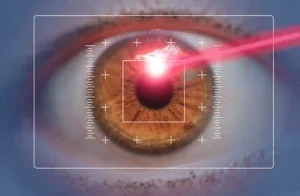
Special laser procedures, such as Presbyond, modify the surface of the cornea to create different vision zones, enabling better vision at various distances. Presbyond Laser Blended Vision is an advanced laser procedure that creates a form of monovision by adjusting the vision in each eye. One eye is optimized for near vision and the other for distance, ensuring a smooth transition between the two vision zones.
Choosing the best treatment option requires a comprehensive eye examination and consultation. Each method has its specific advantages and disadvantages, and the decision should be based on a thorough assessment of individual visual needs and the health condition of the eyes.
The PRESBYOND laser treatment, also known as Laser Blended Vision, is an advanced method of eye surgery for correcting presbyopia. This treatment allows patients to see clearly both near and far without the need for reading glasses or contact lenses. Presbyond utilizes Excimer laser technology to precisely reshape the cornea, improving vision.
During the Presbyond treatment, a customized adjustment of the cornea is made for each eye, with the dominant eye optimized for distance vision and the other eye for near vision. This technique, called monovision, requires an adjustment period during which the brain adapts to combine information from both eyes, resulting in clear vision at all distances.

Improved visual acuity: Many patients experience a significant improvement in their ability to see both near and far.
Reduced dependence on glasses: Most patients require little to no use of reading glasses following the treatment.
Quick recovery: The recovery time after Presbyond treatment is generally short, and many patients can resume their normal activities the next day.
High patient satisfaction: Due to the improved visual acuity and reduced dependency on visual aids, many patients report high satisfaction with the treatment results.
It’s important to note that not everyone is a candidate for Presbyond treatment. Suitability depends on various factors such as age, eye health, and specific visual problems. A thorough pre-examination by a qualified ophthalmologist is necessary to determine if Presbyond is the right option for vision correction.
As with any surgical treatment, there are potential risks and side effects associated with Presbyond, including dry eyes, light sensitivity, and the possibility of needing additional corrections. It is essential for patients to make an informed decision and discuss all risks and benefits with their treating ophthalmologist.
When preventing presbyopia, it is important to prioritize eye health. Here are some tips to reduce the risk of early presbyopia:
By following these preventive tips, you can keep your eyes healthy longer and maintain your quality of life as you age.

Improving the quality of life with presbyopia requires a comprehensive understanding of the needs and challenges of affected individuals. Various approaches can help optimize vision performance and facilitate everyday life. These include eye exams to determine the correct visual aid, be it in the form of glasses, contact lenses, or surgical procedures. Additionally, modifying your environment—such as using better lighting and larger print—can help improve reading ease. Regular eye exercises and a balanced diet are also beneficial for eye health. Technological aids, such as e-readers or smartphones with adjustable text sizes, offer added convenience. These measures can significantly improve the quality of life with presbyopia.
If you notice signs of a serious condition or if an existing health problem worsens, it is advisable to see a doctor. Typical warning signs can include persistent pain, unexplained weight loss, persistent fever, breathing difficulties, or unusual fatigue. It is also crucial to consult a doctor for any suspicious changes in skin, vision or hearing issues, or digestive problems. Chronic conditions require regular medical monitoring to avoid complications. Routine examinations and preventive care are also essential. If you have unclear symptoms or are unsure if a doctor’s visit is necessary, a medical consultation can provide clarity. Your well-being should always be a top priority, and a doctor can provide the appropriate diagnosis and treatment for your health needs.
In the conclusion and summary, it is essential to succinctly reflect the main points of your document. Begin with a brief recap of the key findings, followed by an explanation of how these contribute to answering the initial question posed. Discuss the relevance of your results in the context of existing research or the studied topic area and emphasize the added value of your work.
It is also important to acknowledge limitations and potential biases to increase credibility and set the stage for future research. End with an outlook where you highlight potential developments or upcoming research questions. By providing a clear and concise conclusion, you give your document a strong ending and help readers understand the significance of your work.
At Lasikwelt Eye Laser Center, we offer an extremely effective laser eye method—Presbyond—as a solution for presbyopia (age-related farsightedness). This advanced procedure offers improved visual acuity at an affordable price. Moreover, we provide flexible financing options to help you manage the cost of treatment without financial strain. Our goal is to provide every patient with access to high-quality eye care, and with Presbyond, we offer an efficient and cost-effective option for those looking to reduce their dependency on reading glasses.


