
 Deutsch

Have you ever woken up with dry, irritated, or red eyes, despite having a full night’s sleep? Do you experience blurred vision in the morning or feel like there’s something in your eye when you wake up? If so, you may be one of the many people living with a lesser-known but surprisingly common condition: nocturnal lagophthalmos.
In this blog post, we’ll dive deep into what nocturnal lagophthalmos is, why it happens, how to recognize it, and what treatment options are available. Whether you’re someone experiencing symptoms or just curious about the condition, this guide will help shed light on what happens when our eyes don’t fully shut while we sleep.
What Is Nocturnal Lagophthalmos?
The term lagophthalmos refers to the inability to fully close the eyelids. When this happens during sleep, it is specifically referred to as nocturnal lagophthalmos. People with this condition sleep with their eyes partially open, which can leave the surface of the eye (the cornea) exposed to air and light.
Nocturnal lagophthalmos may seem concerning, but it’s actually quite common. It often goes unnoticed until symptoms like dryness or irritation start to appear.
Why Do We Need to Close Our Eyes During Sleep?
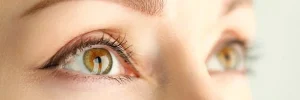
Eyelids play a key role in protecting and caring for our eyes. When we blink or sleep with closed eyes, the eyelids help:
- Keep the eyes moist by spreading tears evenly
- Protect the eyes from dust, bacteria, and injury
- Allow the eyes to rest in darkness
- Promote healing of the corneal surface overnight
Sleeping with eyes even partially open can interfere with these natural processes and lead to a variety of complications.
Causes of Nocturnal Lagophthalmos
There are multiple potential reasons why someone might not fully close their eyes during sleep. These include:

1. Facial Nerve Dysfunction
One of the most common causes is a problem with the facial nerve (cranial nerve VII), which controls the muscles that close the eyelids. Damage to this nerve can occur due to:
- Bell’s palsy
- Stroke
- Head trauma
- Neurological conditions
2. Anatomical or Structural Factors
Some people have naturally large eyes or tight eyelids that don’t meet properly during sleep. This can be due to:
- Genetic traits
- Eye surgery (especially cosmetic or reconstructive procedures)
- Eyelid malpositions like ectropion (outward-turning eyelid)
3. Thyroid Eye Disease
Also known as Graves’ orbitopathy, this autoimmune condition can cause swelling of eye muscles and tissues, leading to bulging eyes and difficulty closing the eyelids.
4. Injury or Scarring
Trauma to the face or previous surgeries can leave scarring or changes to the skin or muscles around the eye, making full closure difficult.
5. Sleep Position
Interestingly, sleeping on your back with your face upward may sometimes cause the eyelids to fall open slightly, especially in people predisposed to lagophthalmos.
Symptoms of Nocturnal Lagophthalmos
Because the condition occurs during sleep, many people don’t notice it themselves. Often, it’s a partner or family member who observes the eyes not fully shutting. However, the individual may still experience the following symptoms:

- Dry, gritty, or burning eyes upon waking
- Redness in the white part of the eyes
- Blurred vision in the morning
- Excess tearing during the day (a reflex to overnight dryness)
- Sensitivity to light
- Eye pain or discomfort
- A feeling of something being in the eye
- Frequent eye infections (in more severe or untreated cases)
Diagnosing Nocturnal Lagophthalmos
Typically, diagnosis starts with an eye examination by a specialist.

Some common evaluation techniques include:
- Slit-lamp examination to look at the surface of the eye and tear film
- Fluorescein staining to identify damage to the corne
- Observation of eyelid closure during blinking or asking the patient to close their eyes gently
- Sleep studies or at-home video recording (sometimes used to confirm the extent of eyelid opening during sleep)
A doctor may also ask about your medical history, past surgeries, or recent neurological symptoms to determine the underlying cause.
Complications of Untreated Nocturnal Lagophthalmos
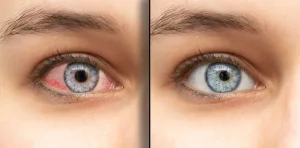
When nocturnal lagophthalmos goes untreated, the surface of the eye can become chronically dry and inflamed, increasing the risk of:
- Corneal abrasions
- Ulcers on the cornea
- Scarrin
- Infection
- Permanent vision damage (in severe cases)
This is why recognizing and addressing the condition early is crucial.
Treatment Options for Nocturnal Lagophthalmos
Fortunately, there are many effective ways to manage and treat nocturnal lagophthalmos, depending on its severity and underlying cause.

1. Lubrication Therapy
The first line of treatment usually involves keeping the eyes moist overnight. This includes:
- Artificial tears before bed
- Thicker eye ointments or gels that provide longer-lasting protection
- Preservative-free drops to minimize irritation
These treatments help keep the eyes hydrated and prevent dryness during sleep.
2. Eyelid Taping
Gently taping the eyelids shut with medical tape can help keep them fully closed during sleep. However, this must be done carefully to avoid damaging the delicate skin.
3. Eye Shields or Sleep Masks
Specialized sleep masks, such as moisture goggles or eye shields, can keep the eyes protected and hydrated overnight. These can be a comfortable alternative to taping.
4. Treating the Underlying Cause
If an underlying condition like Bell’s palsy or thyroid eye disease is responsible, treating that condition is essential. This may involve:
- Steroids or immune-suppressing medication
- Surgery to correct eyelid malposition
- Physical therapy for nerve recovery
5. Surgical Options
If the condition is severe or ongoing, surgical treatment might be required. Options include:
- Tarsorrhaphy: partially sewing the eyelids together to reduce exposure
- Gold or platinum eyelid weights: small implants placed in the upper eyelid to help it close more easily due to gravity
- Eyelid reconstruction: for patients with trauma or scarring
These procedures are typically safe and effective, but they’re usually considered only after more conservative treatments have been tried.
Living With Nocturnal Lagophthalmos
For many people, nocturnal lagophthalmos is a manageable condition. With the right routine, tools, and professional guidance, it’s possible to protect your eyes and enjoy restful, symptom-free sleep.
Here are a few tips to improve your quality of life with nocturnal lagophthalmos:

- Stay consistent with your eye care routine
- Avoid fans or air conditioners blowing directly on your face at night
- Use a humidifier to keep air moist
- Sleep on your side or stomach if you notice your eyes open when lying on your back
- Regularly visit an eye care specialist to monitor the condition and prevent complications
Frequently Asked Questions
Is nocturnal lagophthalmos dangerous?
Not usually, but it can lead to serious complications like corneal damage or vision loss if left untreated.
Can children have nocturnal lagophthalmos?
Yes, although it’s less common. If a child has symptoms of dry or irritated eyes in the morning, it’s worth consulting an eye doctor.
Can I cure nocturnal lagophthalmos completely?
In some cases, yes — especially if it’s caused by temporary conditions like Bell’s palsy. In other cases, it may be a lifelong condition managed with ongoing treatment.
Conclusion

Nocturnal lagophthalmos may not be a household term, but its effects can be uncomfortable and even damaging if ignored. The good news is that with awareness and proactive care, it’s entirely possible to sleep well and wake up with healthy, refreshed eyes.
If you suspect that you or a loved one might have nocturnal lagophthalmos, don’t hesitate to speak to an eye care professional. A simple eye exam and some adjustments to your nightly routine could make a world of difference.
Your eyes deserve the best care — even while you sleep.

Experience a New Dimension of Vision – with LASIKWELT
At LASIKWELT, we combine medical excellence with cutting-edge laser technology to improve your vision in a lasting and meaningful way. Our experienced surgeons use advanced methods that ensure the highest levels of precision and safety.
What sets us apart: Exceptional treatment quality doesn’t have to come at a high cost. We offer transparent and fair pricing – without compromising on medical standards or attention to detail.
Thanks to our state-of-the-art technology and years of expertise, we can effectively treat a wide range of vision problems, including myopia (nearsightedness), hyperopia (farsightedness), astigmatism, and presbyopia (age-related vision loss).
Enjoy the freedom of clear vision – no glasses, no contacts, just confidence and comfort. LASIKWELT helps you see the world more clearly than ever before.


