
 Deutsch

Can Your Eye Color Change?
 If your eyes suddenly take on a different color, it could be a sign of a medical problem.
Did you know that no two people on Earth have the same eye color? Whether your eyes are brown, blue, green, or any other color, that shade is unique and absolutely yours alone.
Changes in eye color are rare. Sometimes it may seem as if your eye color is changing when your pupils dilate. The colors in your environment, including lighting and your clothing, can create the illusion of a change in eye color.
And if this color suddenly changes, it’s advisable to see an eye doctor.
Reasons for a Change in Your Eye Color
A shift in eye color after the first years of life is rare. (More on this process in childhood shortly.) A change in eye color in adulthood can definitely indicate something ominous.
Possible reasons include:
Changes in Your Iris
Your iris (the colored part of your eye) can change due to a virus or disease process, leading to a slightly different shade of your eyes. The color can lighten due to pigment loss in your iris or atrophy when the muscle in your iris becomes thinner.

Causes could include:
- Iris Spots: These are small brown spots on the surface of the iris, often related to sun exposure. They are common and usually harmless, like freckles on the skin.
- Iris Nevi: These are larger spots or dark growths on the eye that look like a mole. Nevi are caused by pigment cells called melanocytes. They are usually harmless and grow slowly but can pose a cancer risk. Nevi are less common than iris spots and should be monitored by a doctor.
- Pigment Dispersion Syndrome: This condition causes pigments to be released from your iris, leading to iris atrophy and potentially causing blurry vision and glaucoma. (In this context, glaucoma medication can also lead to changes in eye color.)
- Pseudoexfoliation Syndrome: This disease can cause a white, flaky material to accumulate on your iris, lens, and other structures in your eye. This age-related condition can obstruct your eye’s drainage system, elevating the risk of glaucoma.
- Lisch Nodules: These are small brown bumps that grow over the iris. These growths are usually associated with a disease called neurofibromatosis.
- Fuchs Heterochromic Iridocyclitis: This is an inflammation of some structures in the front part of the eye, including the iris. Symptoms include iris atrophy, loss of pigment in the iris, and a change in eye color.
- Injury or Trauma to the Eye: Trauma can damage the iris, leading to tissue loss. This tissue loss can make the eye color appear different.
Changes in Eye Color Not Related to the Iris
Arcus Senilis
 A blue, white, or gray arc or ring can also appear around your iris with age. The condition is known as arcus senilis. It occurs when lipid (fatty) deposits accumulate around the outer edges of your cornea, the outermost layer of your eye.
The good news? Arcus senilis is generally “nothing dangerous” and should not affect your vision.
However, a word of caution: If these rings appear around your iris before age 40 or only in one eye, it could be a sign of an underlying condition, such as carotid artery disease.
Cataracts
Everything you see is filtered through a lens located behind your iris. This clear disc focuses light on the retina at the back of your eye and allows your brain to process what is in your field of view.
But as you age, this clear lens in your eye can become yellow and cloudy, says Dr. Bajic. This clouding of the lens is known as the development of cataracts, which can blur or impair your vision.
Although cataracts do not affect your iris at all, a dense, white cataract visible through your pupil may give the appearance that your eye color has changed.
Cataracts are common. In fact, more than half of people over 80 have dealt with cloudy lenses. Mild cataracts can often be corrected with stronger glasses. More serious cases can be corrected with surgery.
Hyphema
Hyphema, or bleeding inside your eye, can cause your eye to darken as blood collects between the cornea and the iris. If it’s a severe case and the entire front of the eye fills with blood, your eye color may start to appear black. Seek medical attention immediately if you notice anything that looks like bleeding in your eye after a blow to the eye. Most people recover within a few days, but severe untreated hyphema could lead to blindness in the affected eye.
Corneal Diseases
Diseases, infections, swelling, or injuries can scar or discolor your cornea, creating a cloudy layer over your iris that can make your eye color appear much lighter.
Treatments can help minimize long-term eye problems from a corneal issue.
Uveitis
Uveitis is a form of eye inflammation. It affects the middle layer of tissue in the eye wall (uvea: iris, ciliary body, and choroid).
The most obvious sign of uveitis involves the white of your eye turning red, accompanied by light sensitivity. But the condition can also lead to changes in the size or shape of your pupil, making your iris look different. Uveitis can lead to vision loss if left untreated.
Changes in Eye Color Due to Medication
Glaucoma medications called prostaglandins can cause permanent changes in eye color, usually darkening the natural shade of the eyes over time. Latisse is a prostaglandin medication used to lengthen eyelashes, and it appears not to cause a change in iris color.
Optical Illusions and Eye Color
 Your eye color might look different one day, and it has nothing to do with your health but everything to do with your outfit—especially if you have light eyes.
If you wear a particular shade in your shirt, it could enhance the blue or green tones in your eyes, making the color appear different. But of course, your eyes aren’t actually changing. It’s just an optical illusion.
Makeup and environmental factors (like lighting) could have a similar effect. In certain situations, different tones are simply highlighted.
Early Changes in Eye Color in Babies

A change in eye color definitely deserves attention and a visit to the eye doctor in adulthood. But if you’re an infant, a change in eye color is simply part of growing up.
Most babies are born with a grayish or bluish tint in their eyes. As they grow older, you’ll notice a change in eye color, likely between the 3rd and 9th month.
It can take up to three years for a child’s eye color to settle into a shade. Slightly more than half of the world’s population ends up with eyes in some shade of brown. Blue is the second most common eye color. Green is the rarest.
Genetics and the production of melanin, a naturally occurring pigment in your body, determine your eye color. Higher melanin production leads to darker eyes.
Forced, Aesthetic Changes in Eye Color
Temporary Change in Eye Color

Using tinted contact lenses is the most common method to change eye color temporarily.
There are three types of lenses, depending on how drastic a change is desired. These include:
- Visibility Lenses
- Enhancement Lenses
- Opaque Lenses
Visibility Lenses
These are lightly tinted and have only a small effect when someone has very light eyes.
Visibility lenses are tinted so that people can see whether their lenses are in their case. The tint also helps to locate them if they are accidentally dropped.
Enhancement Lenses
Enhancement lenses are semi-opaque.
They do not completely change the color of the eye but can intensify it, making it stand out more.
Opaque Lenses
These lenses are fully colored over the iris, allowing a person to change their eye color completely. Opaque lenses come in various colors
Risks of Using Contact Lenses
Like corrective lenses, decorative lenses also carry certain risks. Failing to clean and maintain contact lenses can, in some cases, lead to blindness as well as other eye problems.
Additionally, doctors recommend applying the same care to decorative lenses that a person uses for corrective lenses. This will help avoid complications.
Eye Color Change Surgery. Permanent Change in Eye Color.
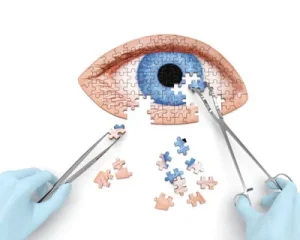
It is definitely best to avoid surgical procedures for cosmetic eye color changes.
Options include:
Iris Implants
A surgically inserted artificial iris implant can change your eye color as desired. But the implant carries a significant risk of glaucoma and infections—which can lead to blindness.
Many risks are associated with this surgery. Researchers in a small study discovered that individuals who had iris implant surgery for cosmetic purposes were prone to experiencing complications including:
- Eye inflammation
- Corneal swelling
- Corneal injury
- Glaucoma
- Cataracts
- Partial vision loss or blindness
Iris Laser Surgery
Eye color can be lightened with a laser treatment that releases pigments from your iris. The problem? The release of these pigments can clog the drainage in your eye, increase pressure, and cause vision loss.
The safest option for different colored eyes? Try colored contact lenses.
When to See a Doctor
 If the color of one or both eyes suddenly and noticeably changes, it’s essential to see an eye doctor as soon as possible.
It’s especially dangerous if eyes change from brown to green or from blue to brown.
Significant changes in iris pigment can indicate diseases such as:
- Horner Syndrome
- Fuchs Heterochromic Iridocyclitis
- Pigmentary Glaucoma
- Iris Melanoma
All require medical treatment and care.
People who use decorative lenses should see a doctor if they notice the following eye-related symptoms:
- Persistent pain
- Redness
- Vision loss or blurred vision
- Discharge
Anyone who notices changes in vision after an iris implant or iris laser surgery should see a doctor as soon as possible.
Final Thoughts
Don’t expect to wake up one morning and find that your eye color has drastically changed. The color you see today should be the color you see tomorrow and every other day.
Decorative or cosmetic lenses offer the safest and quickest way to change eye color.
Buying lenses from a reputable source, having them fitted by a doctor, and practicing proper care can reduce the associated risks.
Anyone seeking a permanent change in color and considering surgery should be aware of the many serious risks. It is not considered a viable option.
As Lasikwelt Eye Laser Center Cologne, we stand for responsible and high-quality ophthalmology.

As Lasikwelt Eye Laser Center Cologne, we stand for responsible and high-quality ophthalmology. We strongly advise against laser procedures for changing eye color and do not perform such procedures due to their associated risks. Instead, we focus on correcting refractive errors using eye laser treatment, which is a safe and effective method to treat vision problems such as myopia (nearsightedness), hyperopia (farsightedness), astigmatism, and presbyopia.
Our center is equipped with the latest technology, and our team consists of highly qualified and experienced professionals who specialize in providing individually tailored treatment for each patient. We use leading methods such as Smile Pro, Relex SMILE, FemtoLASIK, and Presbyond, which allow for minimally invasive procedures and promote quick recovery.
In addition to our technological expertise, we place great emphasis on comprehensive patient care. Our prices are transparent and competitive, making high-quality eye laser treatments (LASIK) accessible to a broader range of patients. At Lasikwelt Eye Laser Center Cologne, you can rely on professional treatment tailored to your individual vision needs.


